


Top Uses of Lime Rendering in Modern and Traditional Homes

Lime rendering has been a trusted building technique for centuries, valued for its durability, breathability, and aesthetic appeal. Today, it continues to be a popular choice for both modern and traditional homes. This natural material offers a range of benefits that make it ideal for various architectural styles and climates. In this article, we will explore the top uses of lime rendering, its advantages, and practical tips for homeowners considering this eco-friendly finish.
Why Choose Lime Rendering for Your Home?
Lime rendering is a plaster made from lime, sand, and water. Unlike cement-based renders, lime allows walls to breathe, which helps prevent moisture buildup and damp problems. This makes it especially suitable for older buildings with solid walls, but it is also gaining popularity in new builds for its environmental benefits.
Some key reasons to choose lime rendering include:
Breathability: Lime render allows moisture to escape, reducing the risk of mould and damp.
Flexibility: It can accommodate slight movements in the building without cracking.
Eco-friendly: Made from natural materials, lime has a lower carbon footprint than cement.
Aesthetic versatility: Lime render can be finished in various textures and colours, enhancing the character of any home.
These qualities make lime rendering a practical and attractive option for homeowners looking to protect and beautify their properties.

Common Applications of Lime Rendering in Modern and Traditional Homes
Lime rendering is incredibly versatile and can be used in many ways to improve both the function and appearance of a home. Here are some of the most popular uses:
1. Protecting and Restoring Historic Buildings
Many traditional homes and historic buildings were originally constructed with lime-based materials. Using lime render for repairs and restoration helps maintain the building’s integrity and appearance. It matches the original materials, allowing the structure to breathe and preventing damage caused by trapped moisture.
2. Enhancing Exterior Walls
Lime render provides a durable and weather-resistant finish for exterior walls. It protects against rain and wind while allowing the wall to breathe. This is particularly beneficial in damp or coastal areas where moisture can be a problem. Lime render can be applied in smooth or textured finishes, giving homeowners flexibility in design.
3. Interior Wall Finishes
Lime render is not just for exteriors. It can also be used inside the home to create natural, breathable wall finishes. Lime plaster helps regulate indoor humidity, improving air quality and comfort. It also offers a beautiful matte finish that can be tinted with natural pigments for a subtle colour effect.
4. Improving Thermal Performance
When applied correctly, lime render can contribute to a building’s thermal performance. Its breathability helps manage moisture, which in turn supports insulation materials and reduces the risk of condensation. This can lead to a more energy-efficient home.
5. Creating Decorative Features
Lime render can be sculpted or textured to create decorative architectural details such as mouldings, cornices, and quoins. This adds character and charm to both modern and traditional homes, blending old-world craftsmanship with contemporary design.
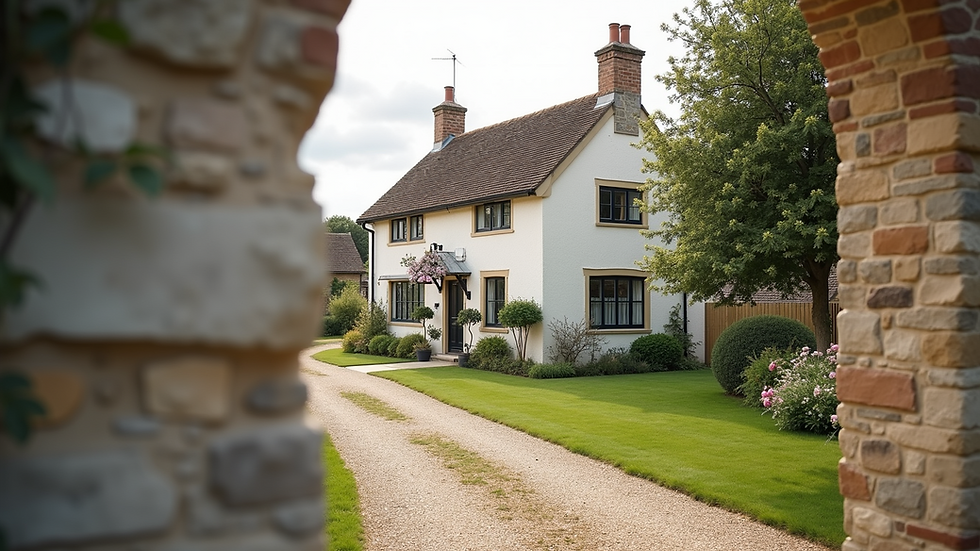
Is there an alternative to lime render?
While lime rendering offers many benefits, some homeowners may consider alternatives depending on their specific needs and budget. Common alternatives include:
Cement render: A more affordable and faster-drying option, but less breathable and prone to cracking.
Acrylic render: Offers flexibility and water resistance but can trap moisture and is less environmentally friendly.
Clay render: Another natural option that is breathable and eco-friendly but less durable in wet climates.
Each alternative has pros and cons. Lime render remains the preferred choice for those prioritising breathability, sustainability, and traditional aesthetics. When deciding, consider the building type, climate, and long-term maintenance.

How to Find the Right Lime Rendering Service
If you are interested in lime rendering for your home, it is important to work with experienced professionals who understand the material and its application. Proper preparation and skilled workmanship are essential to achieve a durable and attractive finish.
To find reliable lime rendering experts, you can search for lime rendering near me. Look for companies with:
Proven experience in lime plastering and rendering
Positive customer reviews and portfolio examples
Knowledge of traditional and modern building techniques
Use of high-quality, natural materials
Getting a detailed quote and discussing your project goals will help ensure the best results.
Tips for Maintaining Lime Rendered Walls
Lime render is durable but requires some care to maintain its appearance and performance. Here are some practical tips:
Regular inspections: Check for cracks or damage, especially after extreme weather.
Gentle cleaning: Use soft brushes and water; avoid harsh chemicals or pressure washing.
Repointing: If lime mortar joints are damaged, have them repointed with compatible lime mortar.
Avoid cement repairs: Cement-based products can trap moisture and cause damage.
Protect from direct water exposure: Ensure gutters and downpipes are functioning to prevent water running down walls.
With proper maintenance, lime rendered walls can last for decades, preserving the beauty and health of your home.
Lime rendering offers a unique combination of durability, breathability, and aesthetic appeal that suits both modern and traditional homes. Whether you want to restore a historic building or add a natural finish to a new property, lime render is a sustainable and effective choice. By understanding its uses and benefits, and working with skilled professionals, you can enhance your home’s character and longevity with this timeless material.


Comments