


Key Steps in Restoring Historic Buildings to Their Former Glory

Restoring historic buildings is a rewarding yet complex process. These structures carry stories from the past and showcase architectural styles that are often irreplaceable. Bringing them back to life requires careful planning, respect for original materials, and skilled craftsmanship. This guide outlines the key steps involved in restoring historic buildings, helping you understand how to preserve their charm while ensuring they meet modern standards.
Understanding the Importance of Historic Buildings
Historic buildings are more than just old structures. They represent cultural heritage, architectural innovation, and community identity. Preserving them maintains a tangible connection to history and can even boost local tourism and economy. Before starting any restoration, it is essential to research the building’s history, architectural style, and previous modifications.
Research archival records such as old photographs, blueprints, and written descriptions.
Consult local heritage organisations for guidelines and historical context.
Identify original materials and construction techniques to maintain authenticity.
This foundational knowledge guides decisions throughout the restoration process, ensuring that the building’s character is respected.

Essential Steps in Restoring Historic Buildings
Restoring a historic building involves several critical stages, each requiring attention to detail and expertise.
1. Detailed Assessment and Documentation
Start with a thorough inspection to assess the building’s condition. Look for structural issues, water damage, decay, and previous repairs that may not be appropriate. Document everything with photos, notes, and sketches.
Use non-invasive techniques like infrared thermography to detect hidden problems.
Engage structural engineers and conservation specialists for expert evaluations.
2. Planning and Permissions
Restoration projects often require permissions from local authorities, especially if the building is listed or in a conservation area. Prepare detailed plans that outline the scope of work, materials to be used, and methods of restoration.
Submit applications for listed building consent if applicable.
Consult with heritage officers to ensure compliance with regulations.
3. Selecting Appropriate Materials and Techniques
Using materials that match or complement the original ones is crucial. For example, lime mortar is preferred over cement in many historic masonry repairs because it allows the building to breathe and move naturally.
Source traditional materials from specialist suppliers.
Employ craftsmen skilled in historic techniques such as lime plastering, timber framing, or stone carving.
4. Structural Repairs and Stabilisation
Address any structural weaknesses first to ensure safety. This may involve underpinning foundations, repairing timber beams, or replacing damaged roof elements.
Use reversible methods where possible to allow future interventions.
Avoid modern materials that could cause damage over time.
5. Restoring Architectural Features
Restore or replicate original features such as windows, doors, cornices, and decorative plasterwork. This step often requires custom fabrication and detailed craftsmanship.
Clean and repair original elements rather than replacing them.
Use traditional paint colours and finishes based on historical research.
6. Upgrading Building Services Sensitively
Modern amenities like heating, electrical wiring, and plumbing should be installed with minimal impact on the building’s fabric.
Conceal wiring and pipes within existing cavities.
Choose energy-efficient solutions that do not alter the building’s appearance.
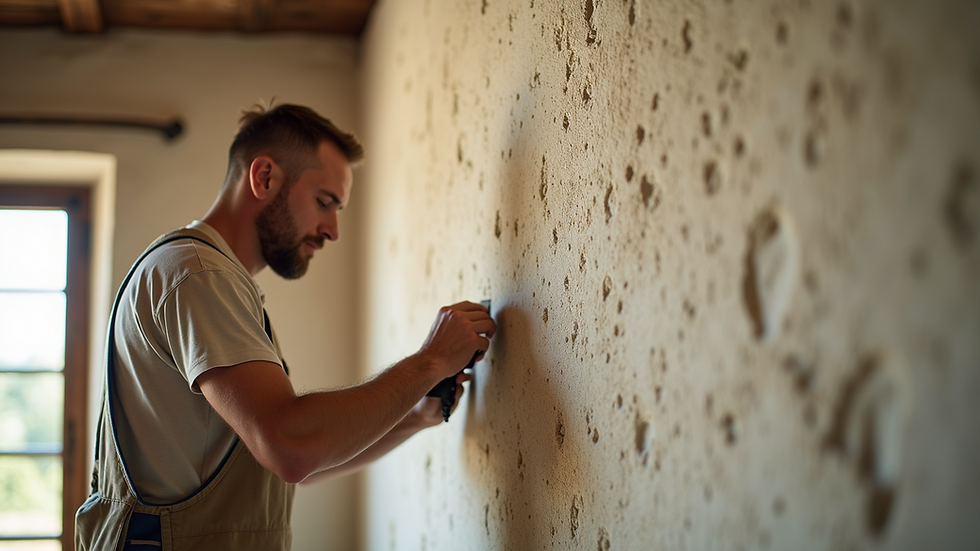
How much does it cost to restore a historic building?
The cost of restoring a historic building varies widely depending on factors such as the building’s size, condition, and the extent of restoration needed. On average, restoration can be more expensive than new construction due to the specialised skills and materials required.
Factors influencing cost:
Condition of the building: Extensive structural repairs increase costs.
Materials: Traditional materials like lime plaster or handmade bricks are often pricier.
Labour: Skilled craftsmen command higher rates.
Regulatory requirements: Compliance with heritage regulations can add to expenses.
Unexpected issues: Hidden damage discovered during restoration can cause budget overruns.
Budgeting tips:
Obtain multiple quotes from contractors experienced in historic building repair.
Include a contingency fund of at least 10-20% for unforeseen problems.
Consider phased restoration to spread costs over time.
Despite the higher initial investment, restoring historic buildings can add significant value and preserve cultural heritage for future generations.
Practical Tips for Successful Historic Building Restoration
To ensure your restoration project runs smoothly and achieves the desired results, consider these practical recommendations:
Engage specialists early: Architects, engineers, and conservationists with historic building experience are invaluable.
Maintain clear communication: Regular updates and site visits help avoid misunderstandings.
Document every stage: Keep detailed records of work done, materials used, and decisions made.
Respect the building’s character: Avoid modernising features that define the building’s historic value.
historic building repair Professionals specialising in traditional techniques ensure authenticity and durability.
By following these tips, you can protect your investment and contribute to preserving architectural heritage.

Preserving History for Future Generations
Restoring historic buildings is a meaningful endeavour that connects us to the past while providing functional spaces for today. It requires patience, respect for craftsmanship, and a commitment to quality. By following the key steps outlined here, you can help ensure that these architectural treasures continue to inspire and educate for many years to come. Whether you are a property owner, developer, or enthusiast, embracing the challenges of restoration is a way to honour history and enrich communities.
For Help or advice on your next project, get in-touch with the experts at Lime Plastering Wales Telephone: 01873 877556 Email: info@limeplasteringwales.co.uk


Comments